 Car accidents can be a life-altering event, leaving victims with physical, financial, and emotional consequences that can last for years. The process of recovery and rehabilitation after a car accident can be difficult and lengthy.
To help those who have recently experienced a car accident, it is important to understand the different types of physical and emotional rehabilitation that are available. In this blog post, we will discuss the various rehabilitation options available to those who suffered a car accident and the steps they should take to ensure a smooth recovery.
We will also discuss the benefits of seeking professional help in the recovery process and offer helpful tips for those struggling to adjust to life after a car accident
3. Pain management strategies
After a car accident, pain management is a key component to recovery. There are a few strategies you can use to reduce and manage your pain.
First, use cold treatments to reduce inflammation and pain.. Cold treatments, such as ice packs and cold compresses, reduce inflammation and numb the area, providing temporary relief. Once the pain starts to subside you can use moist heat. Moist heat helps reduce pain to muscles and joint it also increase circulation which will help with mobility
Second, use pain-relieving medications and topical creams to reduce discomfort. Over-the-counter and prescription medications can be very effective in managing pain,in the short term but it’s important to talk to your family doctor after a car accident.
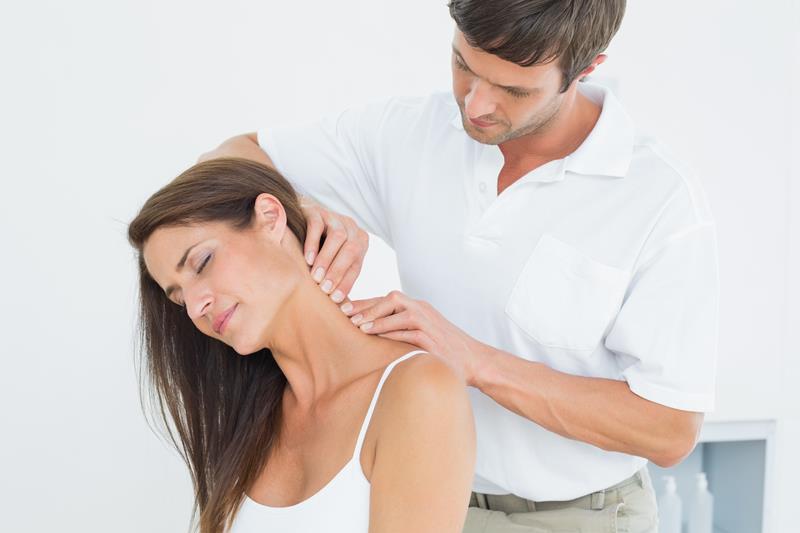
Lastly, use physical therapy and exercise to strengthen muscles and improve flexibility. Physical therapists will help you develop an exercise program that is tailored to your individual needs and that can help reduce pain, improve mobility, and strengthen muscles.
4. Stress management techniques
Stress management is an incredibly important part of rehabilitation after a car accident. The emotional and psychological trauma of a car accident can be difficult to overcome and can have long-term effects on mental health. To help manage stress, it is important to develop healthy coping mechanisms.
Some stress management techniques include deep breathing exercises, meditation, mindfulness, and physical activity. Exercise can be particularly beneficial, as it releases the ‘feel good’ hormones serotonin and endorphins. Talking to a counsellor or therapist can also be beneficial, as they can provide support, guidance and advice.
5. Working with insurers for coverage of rehabilitation costs
After a car accident, you may be able to receive reimbursement for the cost of rehabilitation through your car insurance company. Working with your insurer is an important step in the rehabilitation process, as it may help you to pay for the services you need for a full recovery.
When you reach out to your insurer, be sure to provide any relevant documents, such as your medical bills, accident report, and proof of insurance policy. Your insurer may require additional information as well, so be prepared to provide any documents they request. With the right information, you can work with your insurer to receive coverage of your rehabilitation costs.
In conclusion, rehabilitation after a car accident is a critical part of the recovery process. It is important to seek professional help as soon as possible, and to follow the prescribed rehabilitation plan to ensure a successful and complete recovery. With the help of medical professionals, rehabilitation can restore the body to its pre-accident condition and allow individuals to return to their normal activities.